The Beauty and The Beeeef Honors Saint Patrick with Holiday Drinks Specials
WELLINGTON – According to scholars, Ireland’s patron saint Patrick never really drove snakes from the country, wasn’t officially canonized, and wasn’t even Irish. However he was kidnapped and sold into slavery by pirates, visited by angels, and converted Druids into Christians. That’s what we call a busy guy.
Beginning March 11 through March 17, The Beauty and The Beeeef will commemorate the saint’s magnanimity, and complete awesomeness, with a curated selection of specially priced, Irish whiskey-imbued libations Patrick himself would feel blessed to drink.
St. Patrick’s Day drink specials:
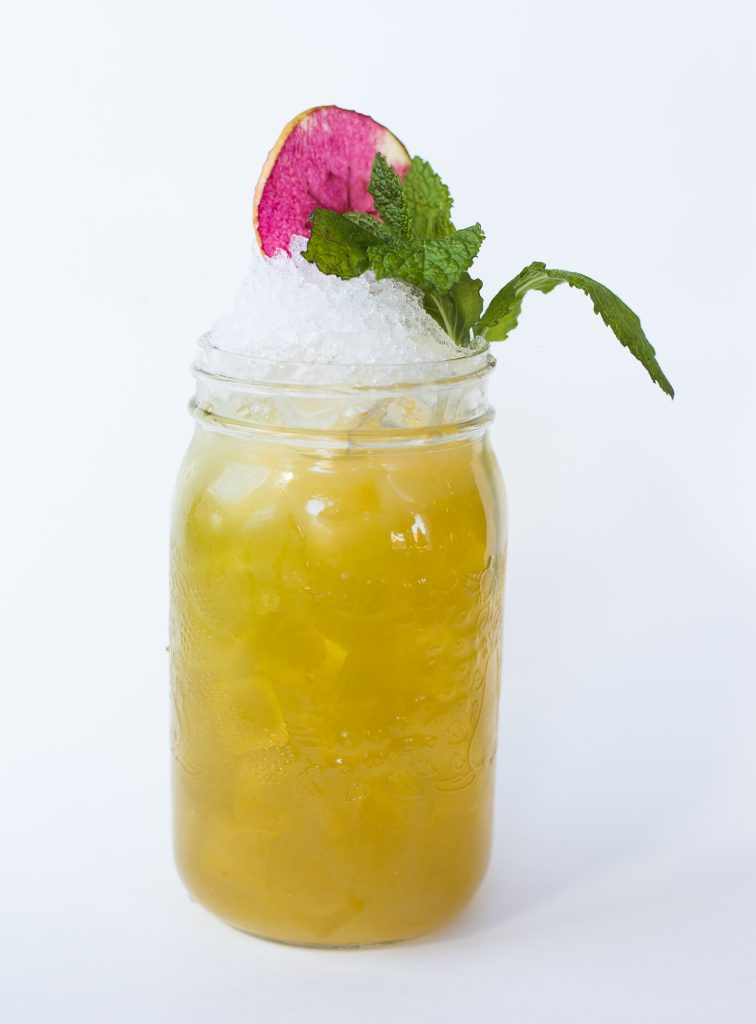
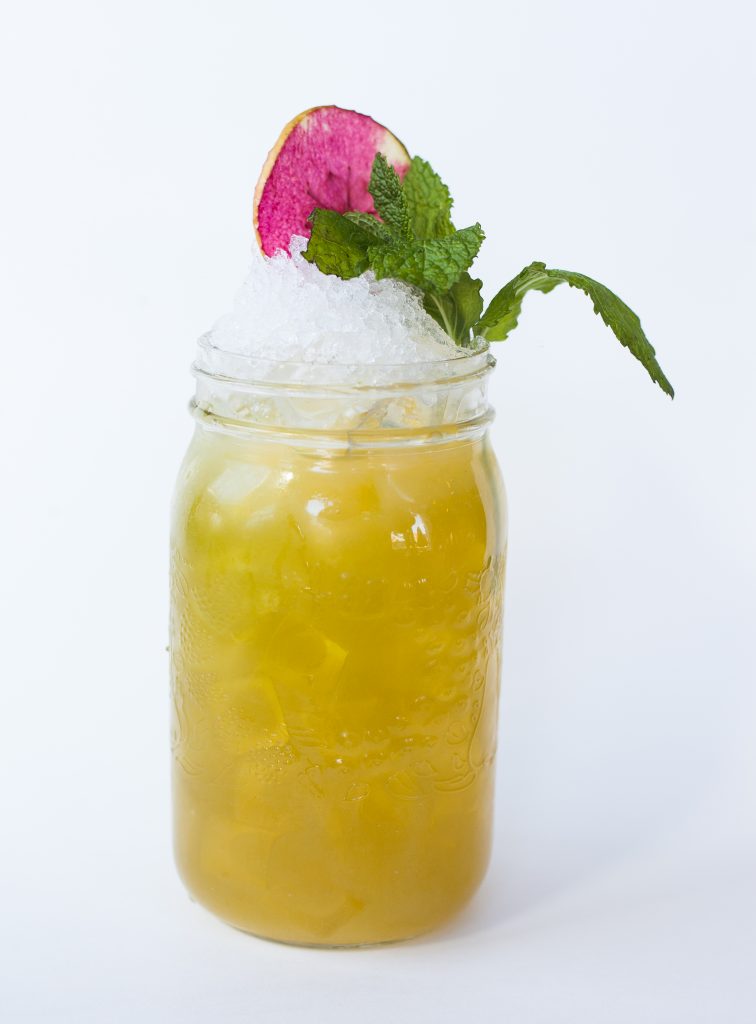
Irish Mofo
Irish Mofo
$10.95/large mason jar
Jameson Irish whiskey, Malibu coconut rum, blue curaçao, Mystique cider, peach purée, pineapple bitters, and ginger ale
Irish Car Bomb
$3.95/shot
Jameson Irish whiskey and Baileys Irish Cream with a chaser of Guinness Stout
Angry Leprechaun
$3.95/shot
Jameson Irish whiskey and Midori with a chaser of ginger ale
McGregor Walk
$3.95/shot
Jameson Irish whiskey and apricot brandy with a chaser of pineapple juice
The Beauty and The Beeeef is located in The Mall at Wellington Green at 10300 W. Forest Hill Blvd., Wellington. The restaurant is located on the upper level between Macy’s and Paragon Wellington Theater. For more information, call (561) 612-4511 or visit thebeautyandthebeeeef.com.
Helpful FREE Directories Available at Public Libraries Countywide
(West Palm Beach, FL – March 7, 2019) The League of Women Voters of Palm Beach County (LWVPBC) today announced the publication of 2019-2020 Directory of Elected Officials, Palm Beach County. This helpful FREE guide for local residents and voters will be available for pick-up at public libraries countywide as of next Monday, March 11, 2019.
“The Directory has the name and contact information for all of the County, State and Federal elected officials that pertain to Palm Beach County,” says LWVPBC President Karen Wilkerson. “In addition to having the information posted on our website (www.lwvpbc.org), the League is distributing 20,000 copies through local public libraries.”
The production of the 2019-2020 Directory of Elected Officials, Palm Beach County was made possible by contributions from three generous donors, who wish to remain anonymous, and The Palm Beach Post. For more information about the Directory, please call 561.276.4898.
The League of Women Voters of Palm Beach County is also hosting the following event in March:
Hot Topic Luncheon
A Whole New World
JOSEPHINE BAKER
Brave Advocate, Singer and Dancer
With Terryl Lawrence, EdD.
Wednesday, March 20 / 11 am to 1 pm
Atlantis Country Club in Lake Worth
Professor Terryl Lawrence teaches Art History and Mythology at Palm Beach State College, Broward College and FAU Lifelong Learning.
The doors open at 11 am, and lunch is served at 11:30. The cost to attend this thought provoking event is $25 before March 13, and $35 afterwards. RSVPs are requested either online at www.lwvpbc.org or by calling Esther Friedman at 561-968-4123.
About the League of Women Voters of Palm Beach County:
The League of Women Voters of Palm Beach County is a nonpartisan political organization of women and men of all ages and backgrounds, encouraging informed and active participation in government through education and advocacy. The League of Women Voters of the United States believes that voting is a fundamental citizen right that must be guaranteed. For more information, please visit www.lwvpbc.org or www.facebook.com/lwvpbc.
The YWCA of Palm Beach County is pleased to announce the appointment of Dr. Mary Cauthen as the Chief Program Officer, a newly created position. In that role, Dr. Cauthen will be responsible for the supervision and oversight of all YWCA programs.
Dr. Cauthen, employed by the YWCA for 17 years, previously served as the Director of Domestic Violence Services that includes the Mary Rubloff YWCA Harmony House, a 72-bed shelter for women and children who are victims of domestic abuse; Rapid-Rehousing that assists victims with rental and utility deposits and rental assistance; Y-SAV, a 10-week anti-violence educational program; and legal advocacy and outreach services.
And they’re off! The YWCA of Palm Beach County’s “Run for the Roses” Pre-Derby Tea will be held on Thursday, May 2, 2019 at The Beach Club, Palm Beach. Susan Rothman and Chelly Templeton are serving as Co-Chairwomen.
The committee includes Theresa Agricola, Jane Bloom, Sheila Carnicelli, Fabiana DesRosiers, Kalinthia Dillard, Margaret Donnelley, Nan Gallagher, Arlette Gordon, Shawn Jan, Theresa LePore, Toni Mastrullo, Tammy Pompea, Sharon Rinehimer, Bernadette Shalhoub, Bobbi Shorr, Maria Siemon, Karen Swanson, Laura Moore Tanne, Phyllis Verducci, Linda Wartow, and Maggie Zeller.
The event will feature a reception, tea cup and silent auctions, entertainment and a hat contest; guests are encouraged to wear their best Derby hats.
According to Rothman, “Chelly and I are thrilled to be co-chairing the annual tea, especially with the fun Kentucky Derby theme since both of us are from Kentucky. We realize how important the programs of the YWCA are to families in the community, and we are honored to support them.”
Proceeds will benefit the various programs of the YWCA including Harmony House, a shelter for women and children who are victims of domestic violence; a Child Development Center; Rapid Re-Housing for domestic violence victims and their families; Y-Girls and Y-Teens, school-based programs in the Glades for girls ages 8 to 18; and a racial justice initiative.
Tickets for the tea are $125 and tables of eight are $950. For more information or to make a reservation, please call 561-640-0050, Ext. 115, or visit the YWCA website and view events at: www.ywcapbc.org.
HANLEY FOUNDATION’S GOLF CLASSIC REACHES 20th YEAR MILESTONE
Foundation’s annual benefit returns to the prestigious Admirals Cove in Jupiter on April 22
(JUPITER, FLA.) For the 20th year in a row, Hanley Foundation supporters will swing their clubs on behalf of the Foundation’s Golf Classic. The benefit will once again take place at the prestigious Admirals Cove in Jupiter on Monday, April 22nd. Co-Chairs Nellie Benoit and Liza Pulitzer Calhoun will lead the half-day event which starts with an 8:30 a.m. shotgun start, followed by 18-holes of competitive play. Winners will be announced during the awards ceremony and always popular “Luncheon with the Suits” at 1 p.m.
“We are thrilled to be back again at Admirals Cove for the 20th Annual Golf Classic,” said Jan Cairnes, CEO for Hanley Foundation. “Thank you to this year’s leadership for all they are doing to raise awareness of the event and the Foundation’s mission. Addiction is a disease that affects one in four people in the United States, which is why we allocate all proceeds from the Golf Classic to help provide access to quality treatment to those who otherwise could not afford it.”
In addition to the Co-Chairs, leadership for this year’s Golf Classic includes Honorary Chairmen Suzanne Holmes and Gary Harris, Junior Chairmen Justin Claud and Greg Etimos, Golf Venue Chairman Jack Barrett, and Donna and Bob Goldfarb will once again Chair “Luncheon with the Suits,” which invites business leaders and community partners to join the awards ceremony, luncheon and auction portion of the day. Committee members include Carol Anderson and Eric Yorlano.
Sponsors for the Golf Classic include Hanley Family Foundation; Amy and Drew Rothermel; Critton, Luttier & Coleman, LLP; Robert Garrison and The Palm Beacher and Jupiter Magazine.
“There are few places across the country which have been hit harder than Palm Beach County when it comes to the opioid epidemic,” said Mrs. Benoit. “More people are in need of quality treatment than ever before. With your support, the Hanley Foundation can continue its life-saving work with individuals and families. I am proud to be chairing the event with Liza Pulitzer Calhoun for this milestone year and look forward to seeing you all on April 22.”
In the early 1980s, Mary Jane and Jack Hanley retired to Palm Beach County to discover the absence of any facilities dedicated to quality substance abuse treatment. Through the couple’s visionary leadership and great support from the community, Hanley Center and the Hanley Center Foundation were established. Nearly 40 years later and now expanded throughout Florida, the community continues to recognize the stand-alone Hanley Foundation with great support for its thought leadership, grantmaking and evidence-based programming. The charitable 501(c)(3) organization provides statewide resources for substance use disorder advocacy, education and access to quality treatment. The organization’s prevention programming is available to schools, churches and community groups through grant funding provided by the Florida Department of Children and Families, office of Substance Abuse and Mental Health. With support from the community, the Hanley Foundation is taking critical steps to change the conversation around substance use disorders.
Tickets are $1,000 per golfer, $4,000 per foursome and $500 for juniors (age 40 and under). To register for the Golf Classic, or for sponsorship information, please call 561-268-2358, email Pam@hanleyfoundation.org or visit www.hanleyfoundation.org.
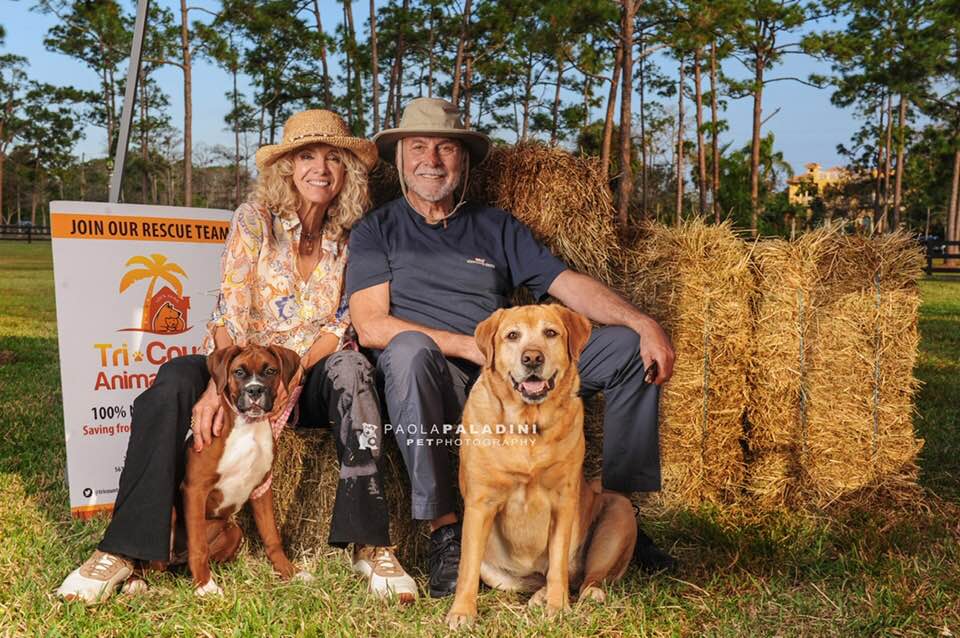
More than 1,000 people, many with their dogs, attended the Horses & Hounds Charitable Foundation’s 10th Annual Fundraiser to benefit Tri-County Animal Rescue’s emergency medical fund. The event was held at Hounds & Horses Farm in Lake Worth on February 17.
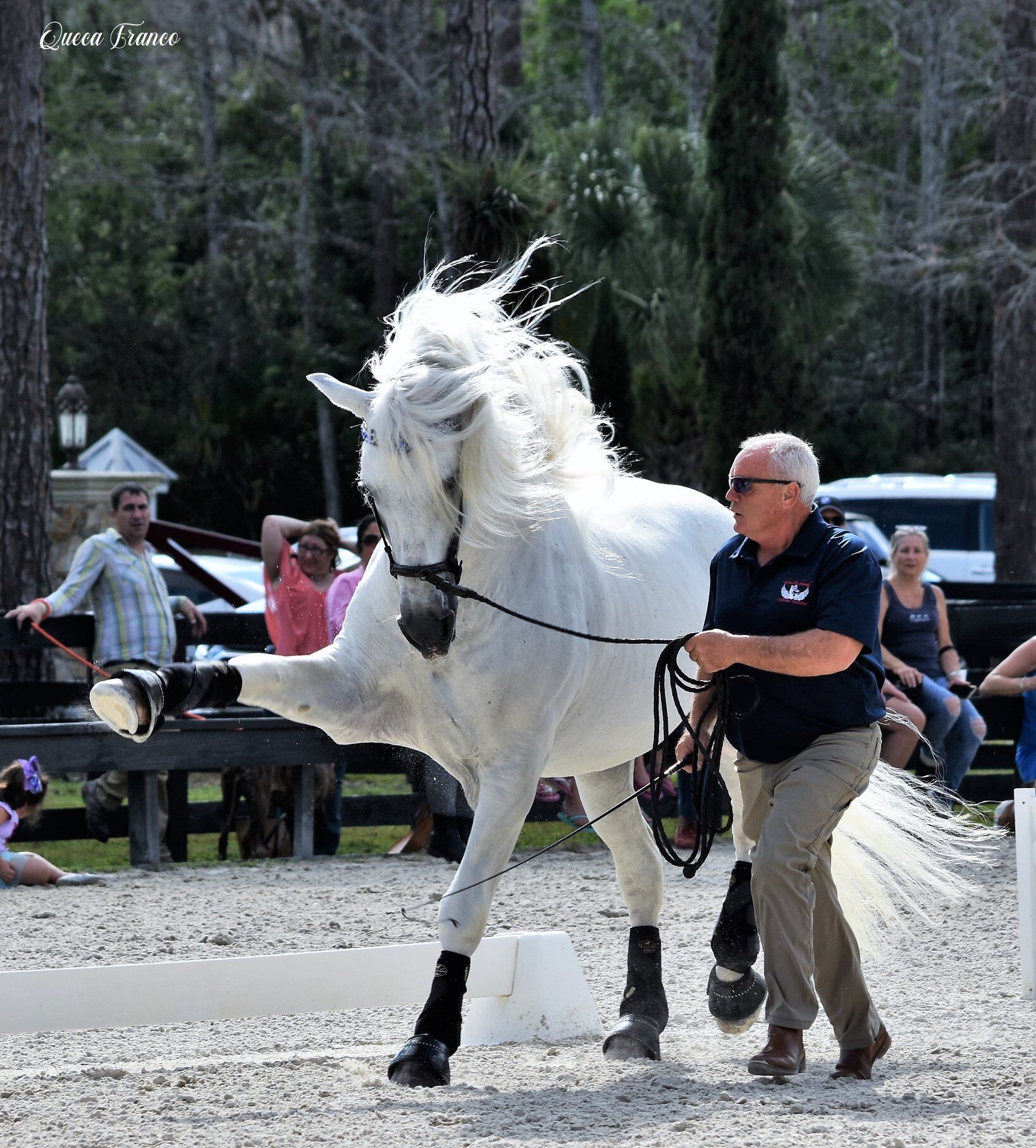
The free event featured Tom Reed and his Dancing Horses, including Spanish Stallion “Encanto” along with Janne Rumbough and Junior, her Spanish Grand Prix horse. The day also included a Pet Parade & Doggie Show and guest’s pets strutted their stuff in the Pet Parade Ring. Professional dog portrait photography was available to donors, along with food, beverages and a silent auction. 100% of donations went to Tri-County Animal Rescue’s Capital Campaign Building Fund.
Celebrity
bartenders in the vodka tent included Frank Occhigrossi, Jay DiPietro and Scott
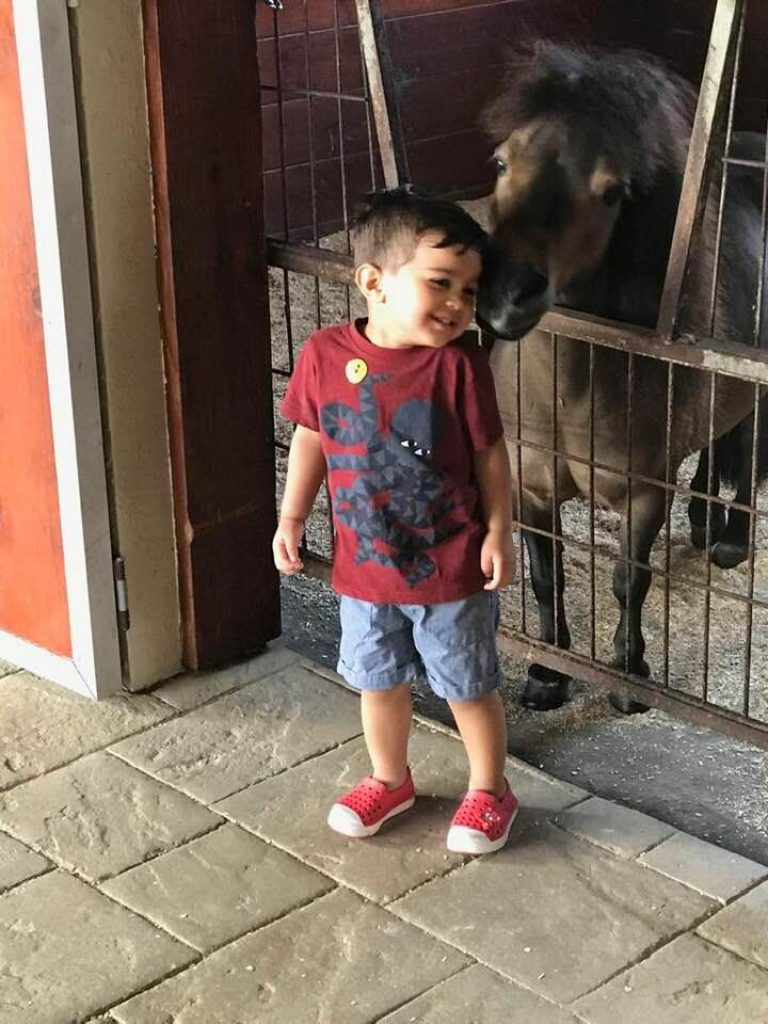
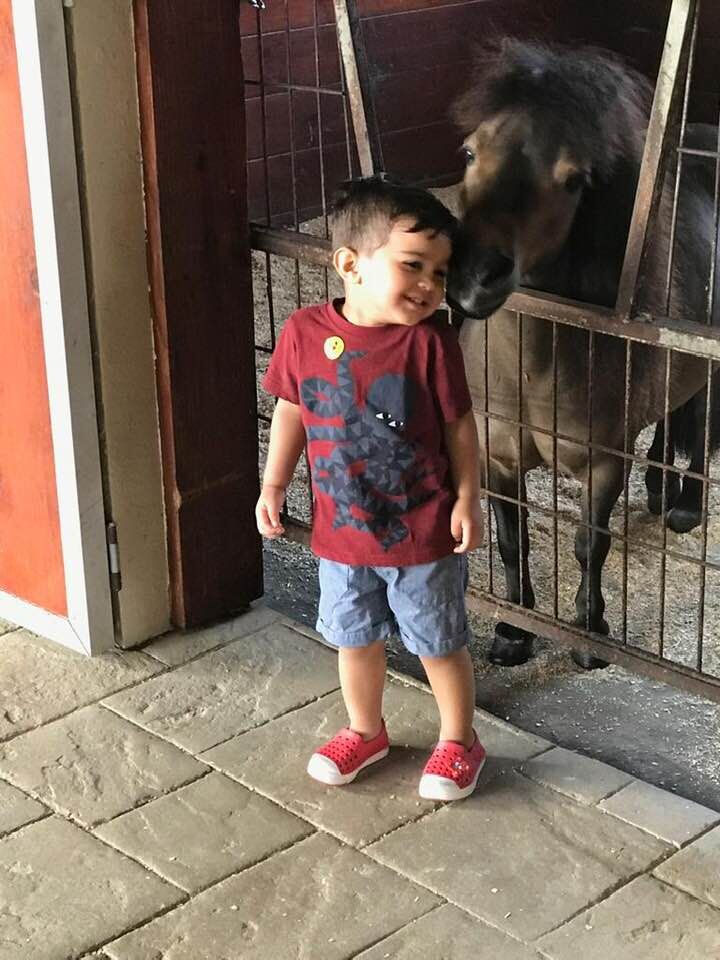
Grody. Guests were photographed with Twix the pony.
Jane Bistline, Jeri Caprio & Kim Van Kampen served as hosts for the event.
About Tri
County Animal Rescue:
Tri-County
Animal Rescue believes that every cat and dog—regardless of breed, gender,
temperament, etc.—deserves to live a happy and healthy life. The organizations
mission aims to shelter and provide a comfortable home for all animals placed
in its facility.
Tri-County
has a four-star rating and 100% perfect score by Charity Navigator. See
here for details.
For
more information about Tri-County Animal Rescue please visit tricountyanimalrescue.com or
call 561.482.8110. Tri-County is located at 21287 Boca Rio Road, Boca
Raton.
JIM BARNES: ONE OF GOLF’S GREAT ANGLO-AMERICAN CHAMPIONS
The Winner of the First Two PGAs: 1916 & 1919
By Mike May
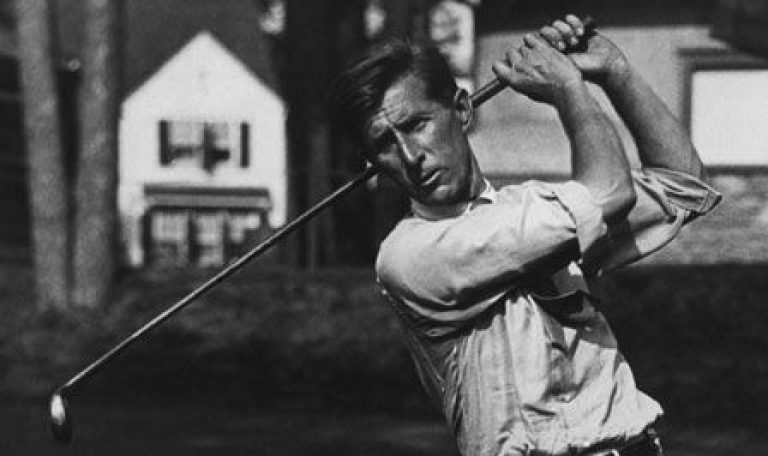
As the world of men’s professional golf looks forward to this year’s first two majors, it gives us a chance to reflect on the man who won the first two PGAs (in 1916 and 1919), yet never won or even played in the Masters – England’s Jim Barnes. This year marks the 100th anniversary of the second PGA victory by Barnes, who also won a U.S. Open (1921) and an Open Championship (1925) during his long and distinguished career that generated 28 tournament wins, 21 of which are categorized as official PGA Tour victories. Those four major championship titles put Barnes on the list of 17 golfers who have won at least three of golf’s four professional majors in their careers. In addition to Barnes, that list includes Jack Nicklaus, Ben Hogan, Tiger Woods, Gary Player, Gene Sarazen, Walter Hagen, Tommy Armour, Sam Snead, Byron Nelson, Arnold Palmer, Tom Watson, Raymond Floyd, Lee Trevino, Phil Mickelson, Jordan Spieth, and Rory McIlroy. It’s fair to say that Barnes, who was an inaugural inductee into the PGA of America Hall of Fame in 1940 and then the World Golf Hall of Fame in 1989, is probably the least well known player on that list of great golfers, but is very worthy of being a member of that special club. Author Elliot Kalb’s 2006 book Jim Barnes: The Forgotten Champion confirms that observation, as does a 2016 story by writer Peter Gompertz who wrote about “the neglected career of a golf champion.” That, of course, being Jim Barnes.
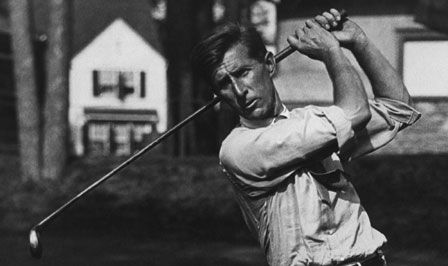
Barnes — who stood 6-foot-4 and was known as both “Long” and “Gentleman” Jim Barnes — could certainly play golf very well and did so for a number of years.
It can also be argued that Barnes deserves to be a member of the career Grand Slam circle of major championship winners – which includes Sarazen, Hogan, Nicklaus, Player, and Woods — because he won three Western Opens (1914, 1917, and 19191) and three North and South Opens (1916 and 1919), both of which were considered a ‘major’ before the creation of the Masters. It’s worth noting that while Barnes never played in the Masters, it wasn’t because he was excluded. He actually was invited to play in the first Masters tournament, but declined to accept the invitation. There’s no official reason why he chose not to travel to Augusta for that inaugural event which was officially known as the Augusta National Invitational Tournament — held in March 1934. Barnes may not have accepted the invitation because of his age – 47 at the time of the event, just a few weeks shy of his 48th birthday. Official records indicate that the last professional major that Barnes played was the 1932 U.S. Open where he finished 55th. Barnes did play in the 1930 (British) Open Championship, at age 44, where he recorded a sixth-place finish. And, he won the New Jersey State Open in 1939, when he was 53.
Had Barnes played in the Masters and won, he would have been the world’s first professional golfer to win the career Grand Slam. Instead, by not playing and not winning the Masters, Barnes finds himself on the aforementioned list of the 17 golfers who have won at least three of the four majors in their competitive careers.
It’s worth noting that when Barnes won his only U.S. Open in 1921, his winning margin was a record nine shots, which was unsurpassed until Woods won the 2000 U.S. Open by 15 shots. In his career, Barnes also had eight consecutive top-ten performances in majors from the 1919 PGA at Engineers Country Club (Roslyn Harbor, New York) to the 1922 Open Championship at Royal St. George’s Golf Club (England); he made the cut in 27 consecutive majors from the 1912 U.S. Open at the Country Club of Buffalo (Amherst, New York) to the 1926 (British) Open Championship at Royal Lytham & St. Annes Golf Club (England). And, from 1920-1930, Barnes played in 10 (British) Open Championships, winning once and finishing no lower than a tie for 18th every year that he played.
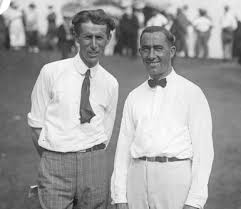
Jim Barnes and Walter Hagen
One of Barnes’ more comical moments took place at the 1924 PGA at the French Lick Springs Resort (on the former Hill Course, now the Donald Ross Course) in French Lick, Indiana. When the official photo was taken of that year’s field of contestants, both Barnes and Hagen appeared in the group photo twice – on both the left and right side of the picture. And, this was not accomplished with Photo Shop! Truth be told, Barnes and Hagen were able to run from one side of the group photo to the other as they were able to outrace the slow, stationary camera used to capture the image of the 1924 field.
At that particular PGA, Hagen defeated Barnes in the final, 2 up. By the way, the restaurant at the Donald Ross Course is now called Hagen’s. Would that restaurant, which serves delicious breaded tenderloin sandwiches, now be called Barnes’ if the tall Englishman had prevailed? FYI: Barnes also lost in the final of the 1921 PGA to Hagen by the score of 3 and 2.
Barnes’ journey in the world of golf began in one of the most western outposts (Lelant) in England’s most southwesterly county (Cornwall). He was born on April 8, 1886, and was introduced to golf at a nearby golf course – originally the Lelant Golf Links and now the West Cornwall Golf Club, which opened in 1889 and is the oldest 18-hole golf course in Cornwall. As a youngster, he learned how to play the game by working as a caddie at West Cornwall and was later hired as a club maker’s apprentice and assistant professional. He worked at the West Cornwall GC from 1902-1906.
Years later, well-known golf writer Herbert Warren Wind once referred to Barnes, whose putting stance was said to resemble the Leaning Tower of Pisa, as being a member of the “American” Triumvirate which also included Sarazen and Hagen, who were the leading figures in U.S. golf after World War I. It’s interesting to see that Bobby Jones was not listed by Wind in that famous threesome. It may have been because of Jones’ lifelong amateur status.
Barnes’ journey in professional golf was truly launched when he moved to the U.S. in December 1906. He departed on the SS Carmania, which started in Liverpool and headed for New York City. From there, he bought a train ticket to San Francisco, where he had accepted a job as a professional at the Claremont Country Club in nearby Oakland. After a few years in Claremont, he moved to Vancouver, British Columbia, for a position at the Jericho Golf and Country Club. After a short stay in Canada, he then accepted similar posts in the state of Washington – first at the Spokane Golf Club in Spokane and then at the Tacoma Golf Club. His next pit stop was the Broadmoor Club in Colorado Springs, Colorado, followed by an opportunity back east at the Whitemarsh Valley Country Club in Philadelphia. As the years passed by, Barnes was also employed at a number of golf clubs in New York, Missouri, and Florida. Back then, professional golfers were always on the move, looking for better paying jobs, so their allegiances with clubs were often rather short-term.
From 1907-1914, Barnes was as busy playing golf as he was looking for the next best-paying club professional position. Fortunately, he was excelling as a competitive golfer. From 1909-1913, he won three Northwest Opens, was second in the 1912 Canadian Open, and had a top-20 finish (18th) in his first U.S. Open in 1912. At the historic 1913 U.S. Open at The Country Club in Brookline, Massachusetts, which American amateur Francis Ouimet won in an eventual 18-hole playoff duel with England’s Harry Vardon and Ted Ray, Barnes was actually tied for the lead in the fourth round with Ouimet, Vardon, and Ray. Barnes eventually finished fourth, a story later glamourized through the motion picture, The Greatest Game Ever Played.
Barnes’ breakout year was 1916. That year, the U.S. Professional Golfers Association (now, PGA of America) was founded and the group decided to conduct its inaugural all-professional national championship tournament which was held at the Siwanoy County Club in Bronxville, New York. Barnes won that tournament where he defeated Jock Hutchison by one hole in the 36-hole match play finale. The total prize money for that event was $2,500. For comparison purposes, when Brooks Koepka – who was born and raised in Wellington — won the 2018 PGA, the total prize money was $11,000,000.
Because of the American involvement in World War I, Barnes was one of many golfers who dedicated time and effort to support the wartime efforts of the U.S., England, and France. Barnes and other prominent golfers at the time such as Chick Evans, Hagen, Sarazen, Jones, Hutchison, and Ouimet played in exhibition matches which served as fundraisers for the Red Cross War Effort. The funds raised were used to buy ambulances to be used in France.
When World War I came to an end on November 11, 1918, Barnes was living and working at the Sunset Hills Golf Club in St. Louis, Missouri.
Barnes’ most prolific year as a playing professional was 1919. That year, he won the North and South Open, the Shawnee Open, the Western Open, and he successfully defended his PGA, last played in 1916.
Barnes would never win another PGA, but he was close on two occasions – in 1921 and 1924 when he finished as the runner-up, losing each final to Hagen.
Going into 1921 U.S. Open, Barnes had just recovered from a recent illness, but he felt fine by the time the golfers met at the Columbia (Maryland) CC for that year’s edition of the U.S. Open. Barnes had a four-shot lead after 36 holes and a seven-shot lead after 54 holes. He shot 72 in the final round to win by nine shots. President Warren G. Harding, an avid golfer, presented Barnes with his winning trophy. To date, Harding is the only sitting U.S. President to present the winning trophy to any major golf champion. Barnes’ wire-to-wire win was historic. To this day, only a handful of golfers have won the U.S. Open from start to finish. The list includes Hagen, Hogan, Tony Jacklin, Woods, McIlroy, and Martin Kaymer. Barnes first-place prize money for that U.S. Open win was $500. Koepka’s first-place prize in 2018 at the U.S. Open was $2,160,000.
In 1925, Barnes was the host professional for the Florida Open which was held at the Temple Terrace Golf and Country Club, located just east of Tampa. The event was labeled the “Greatest Field of Golfers Ever to Play in Florida.” More than 100 golfers competed that year and the only well-known golfer at the time who did not play in the tournament was Bobby Jones. Leo Diegel won the tournament, which had total prize money of $5,000.
Barnes’ final major win was in 1925 at the (British) Open Championship at Prestwick in Scotland, when he was 39 years old. Barnes opened play that year with a course-record round of 70. Thanks to a fourth-round collapse by third-round leader Macdonald Smith, Barnes emerged with the Claret Jug and the title of Champion Golfer of the Year. Barnes’ final round of 72 helped him overcome the five-shot deficit during the last round.
The only missing part of Barnes’ golf resume is an appearance in the Ryder Cup. The rules at the time prohibited him from playing, even though he was born in England and had become a U.S. citizen. The U.S. PGA required its players to be born in the U.S. and the British PGA mandated that its players be affiliated with clubs in Great Britain. Sadly, Barnes didn’t meet those criteria.
On June 16,1964, a number of American touring professionals presented Barnes with an illuminated address which honors him ‘for elevating the standards of golf as Open Champion of the United States and Great Britain and as the First American Professional Champion.’ It was signed by then USGA President Clarence W. Benedict and by 31 touring professionals such as Nelson, Palmer, Billy Casper, and Julius Boros. This address is now on display in England at the West Cornwall Golf Club.
The legacy and memory of Barnes at the West Cornwall Golf Club is alive and well, as one of the club’s most coveted annual competitions is named after the four-time major champion – The Jim Barnes Cup. The Jim Barnes Cup is a one-day, 36-hole, two-person, better-ball Stableford competition held in late May. It has been contested on an annual basis since 1958.
Right now, hanging on the wall inside the clubhouse at the West Cornwall Golf Club are a number of plaques and pictures dedicated to the memory and legacy of Barnes. It’s a fitting memorial to this club’s home-grown international golfing legend, who died of a heart attack at age 80 on May 24, 1966 in East Orange, New Jersey, where he is buried.
“It is great for us to be able to boast a major championship winner, as learning his golf here,” said West Cornwall’s Evans. “Unfortunately, I’m not sure he is widely known on this side of the Atlantic and I believe many think he is an American.”
While Barnes did become a U.S. citizen and will be forever remembered as one of golf’s great international champions, the roots of this Cornishman remain firmly planted in the turf of England’s West Cornwall Golf Club, one of golf’s most western outposts in England’s most southwesterly county.
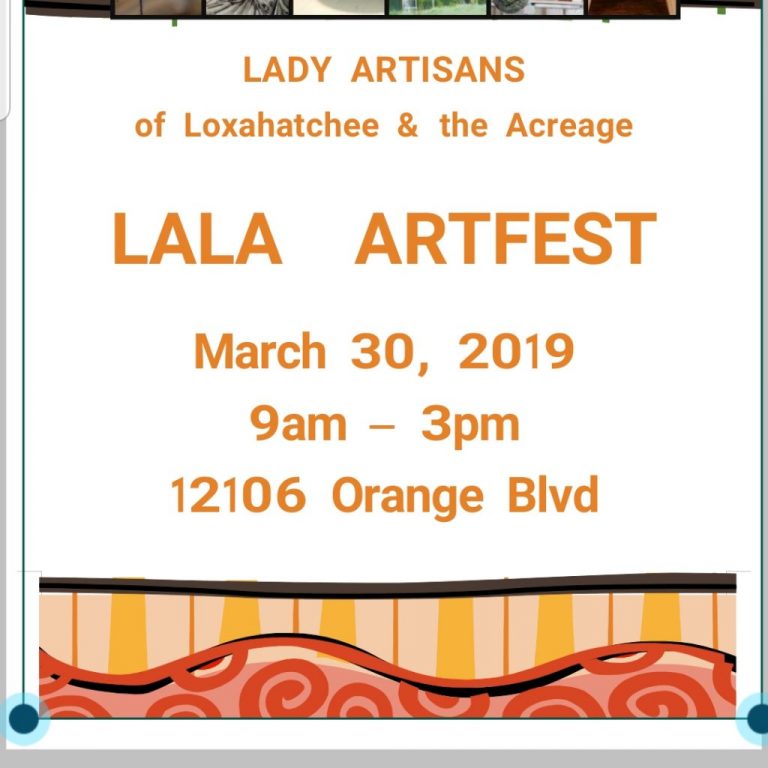
The Lady Artisans of Loxahatchee and The Acreage is a group
of women artists from Loxahatchee and the Acreage who have come together to
sell their art and showcase their unique talents.
LALA is holding its second ARTFEST on March 30, 2019 from 9AM to 3PM at 12106 Orange Blvd.
The talented women artisans will be selling their artistic
creations which include pottery, wood art, jewelry, painting, glass, handmade
cards, ornaments, angels, candles, handmade soap, acrylic window art,
embroidered linens and quilts and much more. This is the perfect place to get
your Easter and Mother’s Day shopping done and support local women artists in
our community.
Each LALA artist has donated a piece of their art to Shoppe
561 in support of The Place of Hope.
Along with handmade creations, LALA is proud to host the
Venturing Scouts who will be selling homemade baked goods and drinks. The
Scouts are fundraising to support their scouting adventures. Come out and show
the Scouts that you support their troop.
For more information please see the LALA Facebook page.
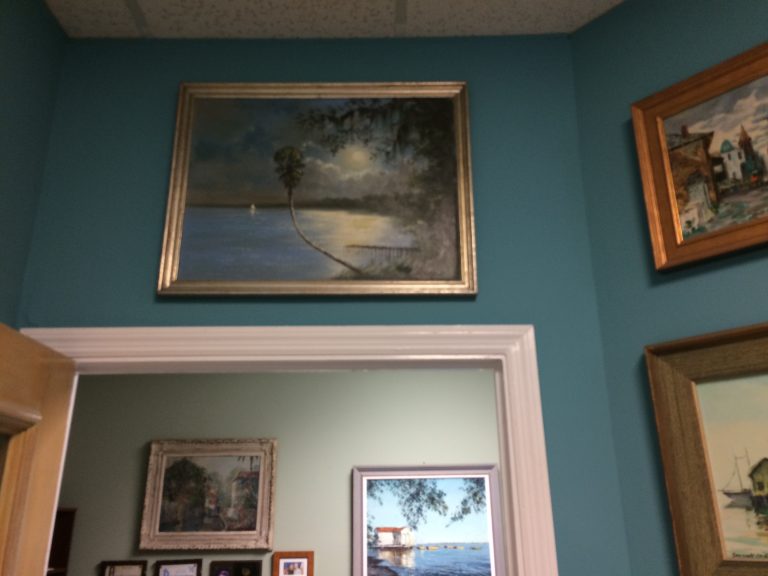
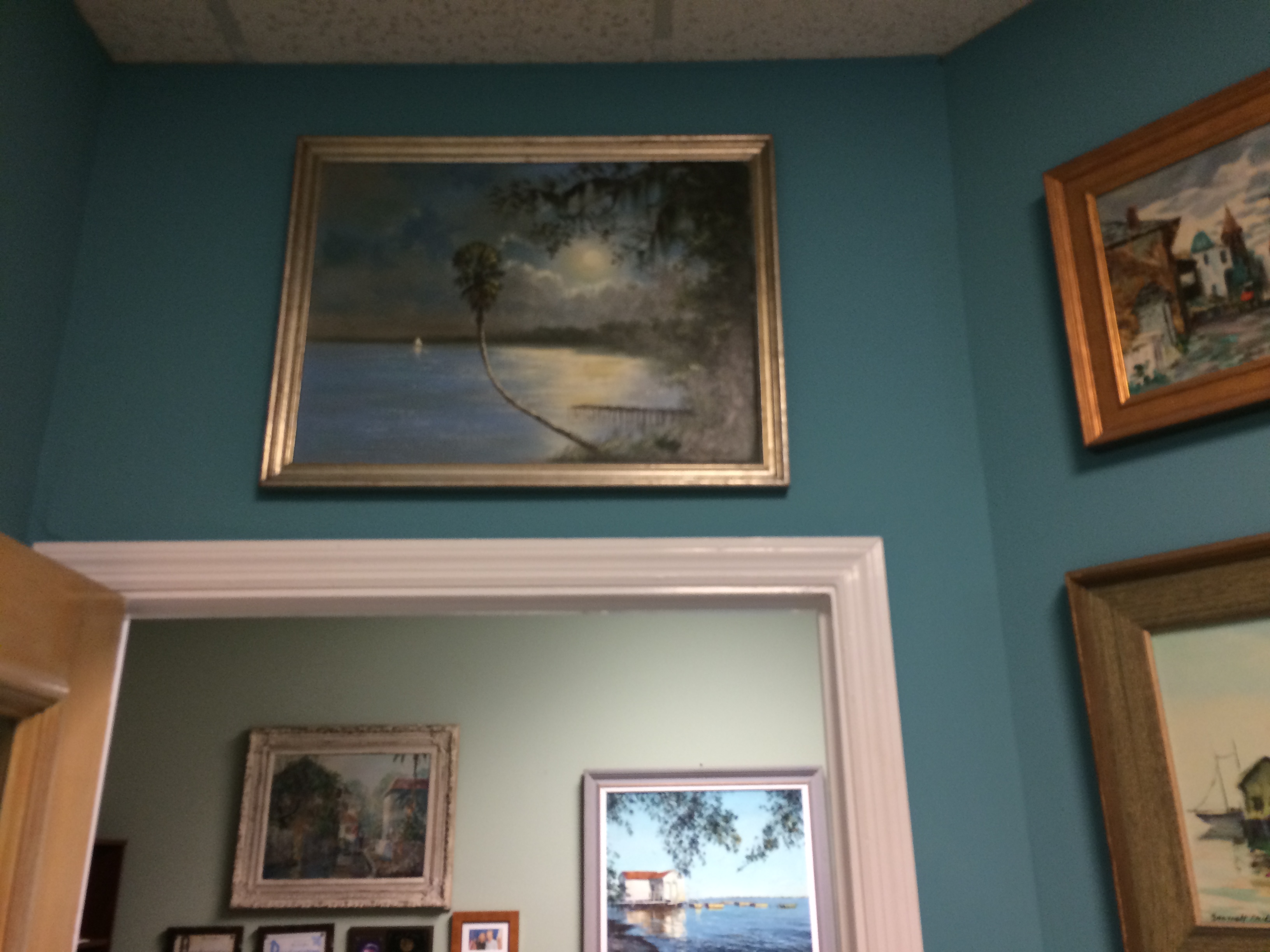
It all started over breakfast one morning when Phil Materio and his daughter were reading the Sunday paper. The 1996 article was about a group of mid-century African American painters who made a side living by peddling their landscape oils. Jim Crow laws still reigned in South Florida and forced people of color to take low paying jobs. The enterprising men—later dubbed “The Highwaymen”— would pitch their paintings to tourists, residents and shop owners. Originally selling from 17 to 75 dollars each, the painters knew they weren’t creating great art; they were just trying to make ends meet. Soon the artwork decorated the walls of banks, motels, attorney and dental offices. The news column went on to say that although the value of these landscapes was on the rise, they could still be found for a steal at garage sales, thrift shops and flea markets.
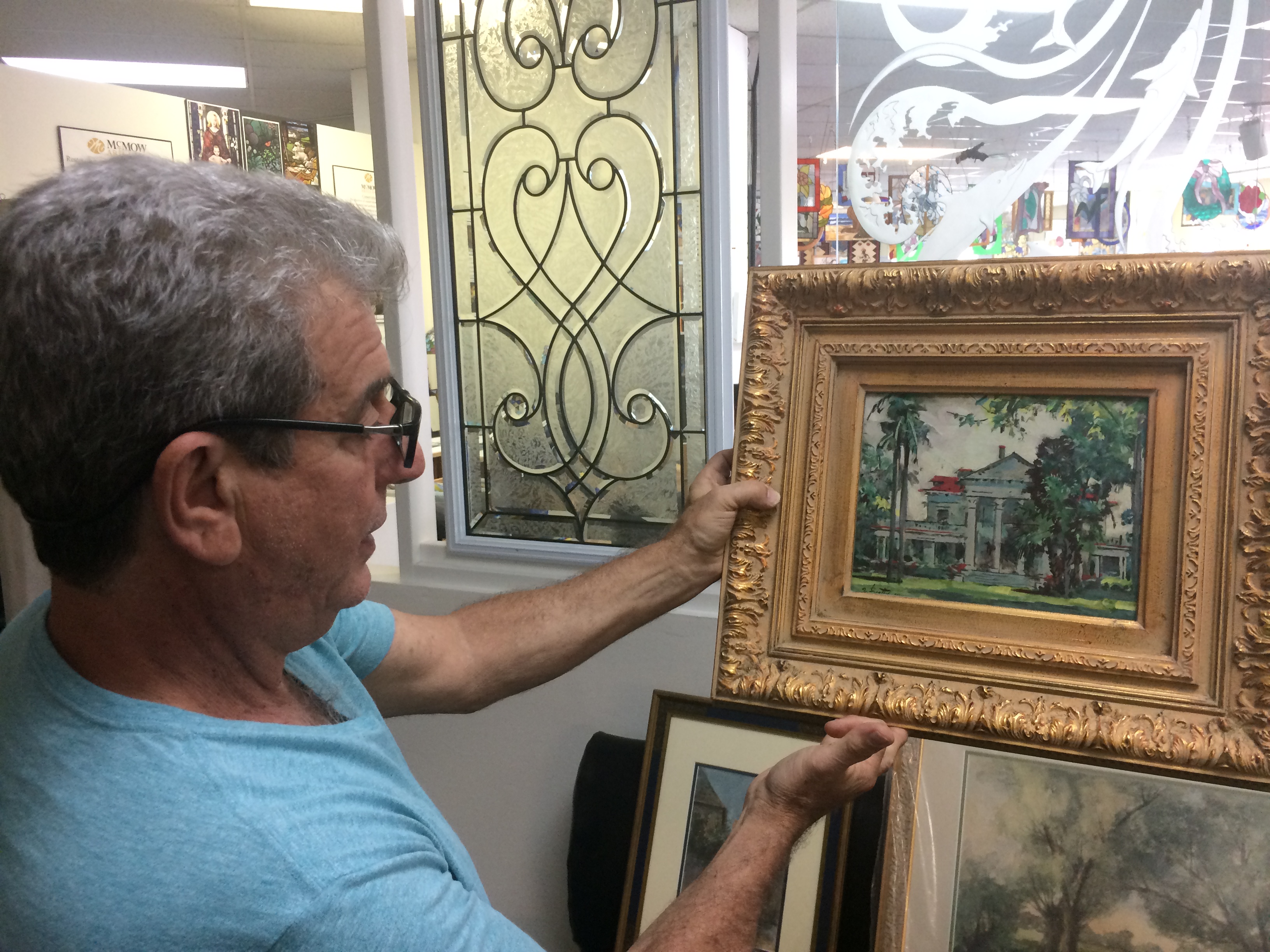
As a stained glass
artist and craftsman, Mr. Materio’s interest was immediately piqued and he and
his daughter went right out to Lake Worth’s antique row to see what they could
find. The first store they walked into surprisingly revealed three Highwaymen paintings.
Phil scooped them up for $17 to $26 a piece. His interest quickly turned into a
veritable obsession and propelled him into a statewide search for Highwaymen
art. With a self-imposed limit of $100 per painting, he scoured the state for
these new found treasures.
Who’d have thought a mere news article could launch a lifelong quest?
Materio didn’t
always have to travel far in order to build his collection. One of his
neighbors was a doctor. When Phil asked him if he happened to have any of these
paintings in his office, surprisingly, he said that he owned three. Phil was
happy his neighbor agreed to sell two for $100.
Through his
search, Materio acquired a deep knowledge of Florida’s social, political and
cultural history. The Highwaymen community was centered in the Fort Pierce area,
spearheaded by American Impressionist Albert Backus. Considered the “Dean of
Florida Landscape painting,” Backus’ bohemian air fostered inclusion of all races
and classes. He would invite people of every stratum to his house for art-centered
gatherings.
One such guest
was Alfred Hair who became one of Backus’ most enthusiastic students and a Highwaymen
leader. Like other African Americans who worked in packing houses, factories
and farms, he was a laborer. Ambitious and hard-working, Alfred set his sights
on two things: (1) a Cadillac and, (2) a house in Miami. Under the tutelage of
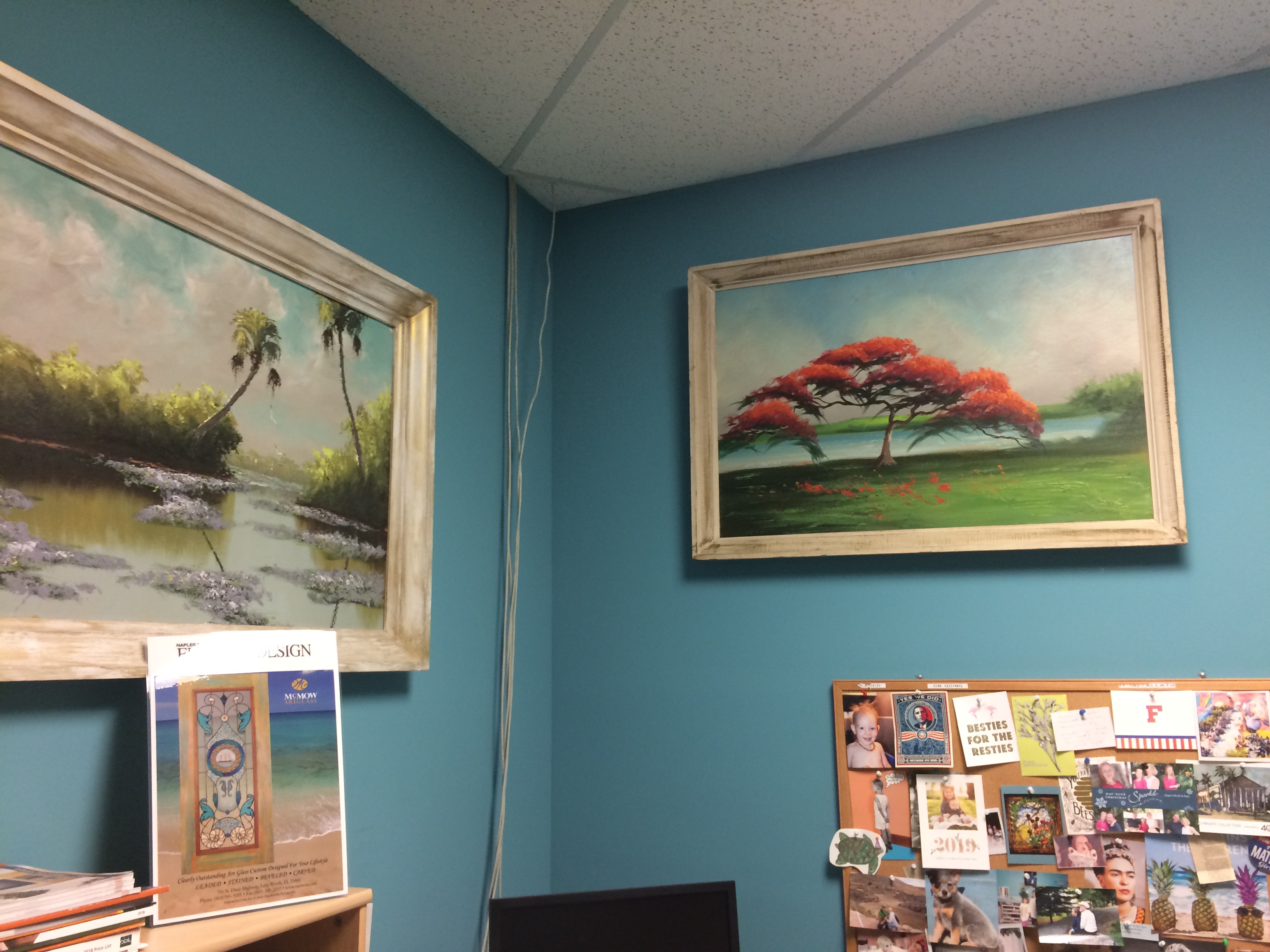
Albert Backus, Hair began painting scenes of Florida’s terrain and skies in exaggerated
colors; palms, Poinciana, grasses, rivers and lakes, mountainous clouds and
flaming sunsets. Costs were minimized by using crown molding for frames and
painting on Upson board (compressed fibers) instead of canvas. After Alfred
sold enough artwork he bought his prized Cadillac. When envious friends asked
where he got the money, they joined him in his painting venture. Alfred trained
them in the Backus style, but no one could paint as fast as Hair. It was said
he could finish one painting in an hour. Unfazed by potential competition, Backus
had told his art students, “I don’t care if you paint like me as long as you
sell them for cheap.”
The artists sold
their works door-to-door, along roadsides and out of their trunks, sometimes
with the paint still wet. The 26 “official” Highwaymen included Alfred Hair, Harold
Newton, Roy McClendon, Livingston Roberts, Al Black, Hezekiah Baker, James
Gibson and Maryann Carroll—the sole female—to name a few.
Alfred Hair
never got his home in Miami, as his life was cut short in 1970, but he endowed
Floridians with a unique genre of far more worth than a house. It took a while,
however, for the art form to rise from mediocrity to fine art. Well into the
80’s the Florida landscape paintings were still relegated to motel walls and
dentists offices.
It wasn’t until the early 2000s that the works started to appreciate. A few books and movies documented the Highwaymen’s story of struggle and success and generated a new public interest. The popularity prompted dealers to raise prices. Materio says it’s remarkable that in two decades, while many collectibles have dropped in price, these paintings have suffered no decline.
While Phil had amassed
hundreds of Highwaymen pieces, he wondered if this was the only art of note in
the Sunshine State. Were there other Florida-based painters to be discovered?
After reading Mabel Mann’s Art in Florida,
he learned that there were three main creative hubs: Saint Augustine, Sarasota
and Palm Beach. Materio threw himself
into gathering the artwork of these communities. His blue-collar philosophy (much
like a good stock investor’s) was to buy undervalued pieces and watch them
appreciate. After twenty years of collecting, 500 paintings and two storage
units, his McMow Art Glass studio walls are a testament to his passion.
In Part Two of Journey of a Blue-Collar Collector, share
in Phil Materio’s discoveries of images of Sarasota’s circus oddities, Palm
Beach’s mansions that no longer exist and St. Augustine’s charming street
scenes that have survived the centuries.